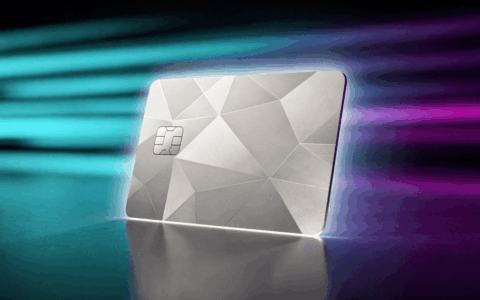
Is the FIT Mastercard Right for Your Situation
The FIT Mastercard makes sense if you fall into specific categories: you’re rebuilding credit after past mistakes, you’re new to credit and need an entry point, or you’ve been denied by traditional cards. If your credit score is already solid or excellent, there are better cards with real rewards benefits available to you.
Consider your goals honestly. If you need to establish credit history and want a straightforward, fee-free option with fast approval, FIT works. If you’re looking for cashback rewards or premium perks, you’ll find better matches elsewhere. This card does one job exceptionally well—it provides accessible credit building without unnecessary obstacles.
Household budget matters too. Only apply if you genuinely plan to use the card regularly and pay your bills on time. The entire value proposition depends on responsible use and timely payments. If you struggle with impulse spending or managing payments, the card won’t solve those behavioral challenges.
Application Process and Approval Timeline
The application process for FIT is refreshingly quick and straightforward. You’ll submit basic personal and financial information online, and Capital One typically provides a decision within minutes. No days of waiting to find out if you qualify—the speed is part of what makes this card accessible.
Approval chances are higher with FIT than many competitor cards, which is intentional. Capital One accepts applications from people with fair credit, no credit history, or previous credit issues. Your credit score doesn’t need to be perfect, and recent challenges won’t automatically disqualify you.
If approved, your card arrives within 7-10 business days typically. You can then activate it and start using it immediately, beginning the credit-building process right away.
Maximizing Your Credit-Building Strategy
Getting approved is just the first step—how you use the card determines your results. Consistent on-time payments are non-negotiable. Set up automatic payments or calendar reminders to ensure you never miss a due date. Even one late payment significantly damages the progress you’re building.
Keep your credit utilization low. Credit bureaus view your utilization ratio—how much of your available credit you’re using—as a meaningful factor in score calculation. If your limit is $1,000, aim to keep your balance under $300. This demonstrates you’re not dependent on credit and can manage access responsibly.
Don’t close the account after your score improves. Keeping it open and active indefinitely adds to your credit history length, which improves your score further. The longer your positive account history, the stronger your credit profile becomes.
When to Upgrade Beyond FIT
After 6-12 months of perfect payment history with FIT, you’ll likely qualify for better credit cards with actual rewards and lower interest rates. At that point, you can apply for a card that offers cashback or points, while keeping your FIT card open in the background for credit history purposes.
Many people use FIT as their first step, then graduate to more premium cards as their credit improves. This staged approach is exactly how building strong credit works. You don’t jump from no credit to premium rewards cards—you progress methodically, and FIT is an excellent launchpad for that journey.